


Essential Guide to Microblading by a Specialist
Microblading has become one of the most popular beauty treatments for enhancing eyebrows. If you want fuller, natural-looking brows without daily makeup, microblading offers a semi-permanent solution that can transform your look. As a specialist in this field, I will guide you through everything you need to know about microblading—from the process and benefits to aftercare and what to expect during your sessions.
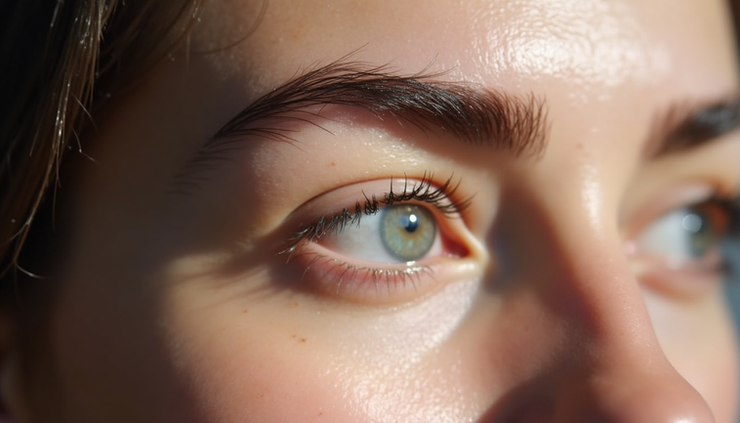
Freshly microbladed eyebrow showing detailed hair strokes for a natural look
What Is Microblading?
Microblading is a cosmetic tattooing technique that uses a handheld tool with tiny needles to create fine, hair-like strokes on the skin. These strokes mimic natural eyebrow hairs, filling in sparse areas or reshaping brows for a fuller appearance. Unlike traditional eyebrow tattoos, microblading deposits pigment closer to the skin surface, resulting in a softer, more natural finish.
The pigment used is semi-permanent, typically lasting between 12 to 18 months depending on skin type and lifestyle. This makes microblading an excellent option for those who want long-lasting results without the commitment of permanent tattoos.
Who Can Benefit from Microblading?
Microblading suits many people, including those who:
Have thin or patchy eyebrows due to over-plucking, aging, or medical conditions
Want to save time on daily makeup application
Desire a more defined eyebrow shape tailored to their facial features
Have uneven or asymmetrical brows and want to balance them
Prefer a natural look compared to traditional eyebrow tattoos
However, microblading is not recommended for individuals with certain skin conditions like eczema, psoriasis, or those prone to keloid scarring. Pregnant or breastfeeding women should also avoid the procedure until after this period.
The Microblading Process Explained
Understanding the steps involved can help you feel more comfortable before your appointment.
1. Consultation and Design
Your specialist will start by discussing your desired eyebrow shape, color, and style. Using facial measurements and your natural brow growth, they will sketch a shape that complements your face. This step ensures you are happy with the design before any pigment is applied.
2. Numbing
A topical numbing cream is applied to minimize discomfort during the procedure. Most clients report only mild sensations, such as light scratching.
3. Microblading Application
Using the microblading tool, the specialist creates fine strokes by depositing pigment into the upper layers of the skin. This process usually takes about 1.5 to 2 hours depending on the complexity of the design.
4. Immediate Aftercare
After the procedure, your brows may appear darker and more defined than expected. This is normal and will soften as they heal over the next 7 to 14 days.
5. Touch-Up Appointment
A follow-up session is scheduled 6 to 8 weeks later to perfect the shape and color. This touch-up is essential for lasting results.
Choosing the Right Specialist
Microblading requires precision and artistry. Choosing a qualified specialist ensures safety and beautiful results. Look for:
Proper certification and training in microblading techniques
A clean and professional studio environment
Positive reviews and before-and-after photos of previous clients
Clear communication about the process, risks, and aftercare
Avoid bargain deals or unlicensed practitioners, as poor technique can lead to uneven brows or infections.
What to Expect During Healing
Healing is a crucial phase that affects the final outcome. Here’s what typically happens:
Days 1-3: Brows look dark and bold; slight redness or swelling may occur.
Days 4-7: Scabbing and flaking appear as the skin heals. Avoid picking or scratching.
Days 8-14: Color softens and natural skin tone returns. The pigment may seem lighter.
Weeks 4-6: Pigment settles into the skin; touch-up appointment is done to enhance results.
During healing, keep your brows dry and avoid heavy sweating, swimming, or applying makeup on the area.
Aftercare Tips for Long-Lasting Results
Proper aftercare extends the life of your microblading and keeps your skin healthy:
Avoid sun exposure and tanning beds for at least 2 weeks.
Use a gentle cleanser and avoid harsh skincare products near the brows.
Apply any recommended ointments as directed by your specialist.
Do not pick at scabs or flakes.
Schedule annual touch-ups to maintain color and shape.
Common Questions About Microblading
Does microblading hurt?
Most clients feel minimal discomfort thanks to numbing creams. Sensations are often described as light scratching.
How long does microblading last?
Results typically last 12 to 18 months but vary based on skin type, lifestyle, and aftercare.
Can I choose the color?
Yes, specialists customize pigment shades to match your natural hair and skin tone.
Is microblading safe?
When done by a trained professional using sterile equipment, microblading is safe. Always check for proper hygiene standards.
What if I don’t like the results?
The semi-permanent nature means pigment fades over time. Touch-ups can adjust shape and color. Removal options exist but can be costly.
Final Thoughts on Microblading
Microblading offers a practical and attractive way to enhance your eyebrows with natural-looking results. By choosing a skilled specialist and following proper aftercare, you can enjoy beautifully shaped brows that boost your confidence every day. If you are considering microblading, book a consultation to discuss your goals and see how this treatment can fit your lifestyle.
Take the next step toward effortless, stunning eyebrows that last. Your face will thank you.


this is a good web.